Start with pressure, temperature, and media
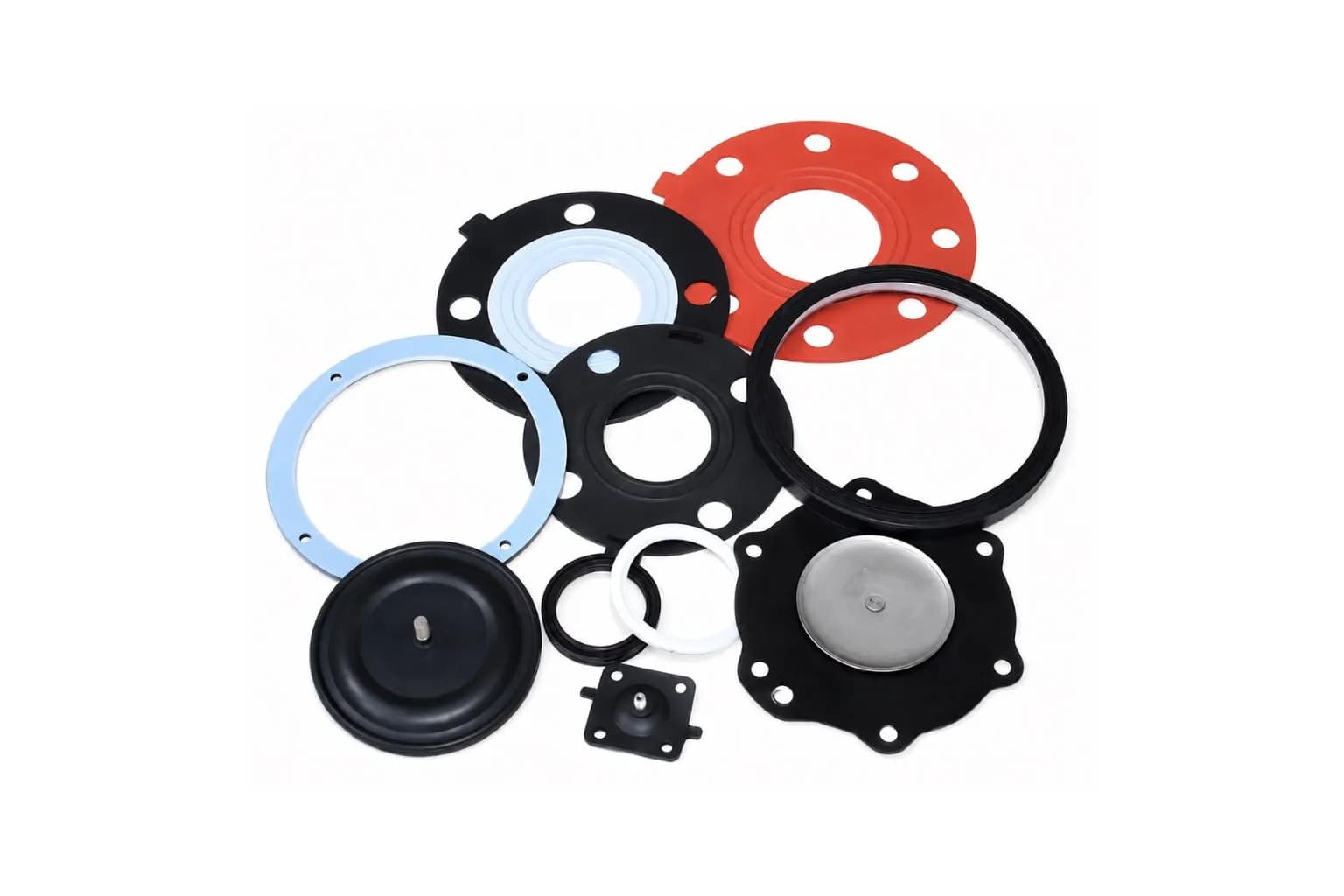
Write down operating and design pressure, temperature range, and process medium before you look at catalogue pages. A high-pressure gasket for hydrocarbon service is a different product from a utility CNAF gasket on a water line — even if both flanges look similar.
High-pressure flange joints
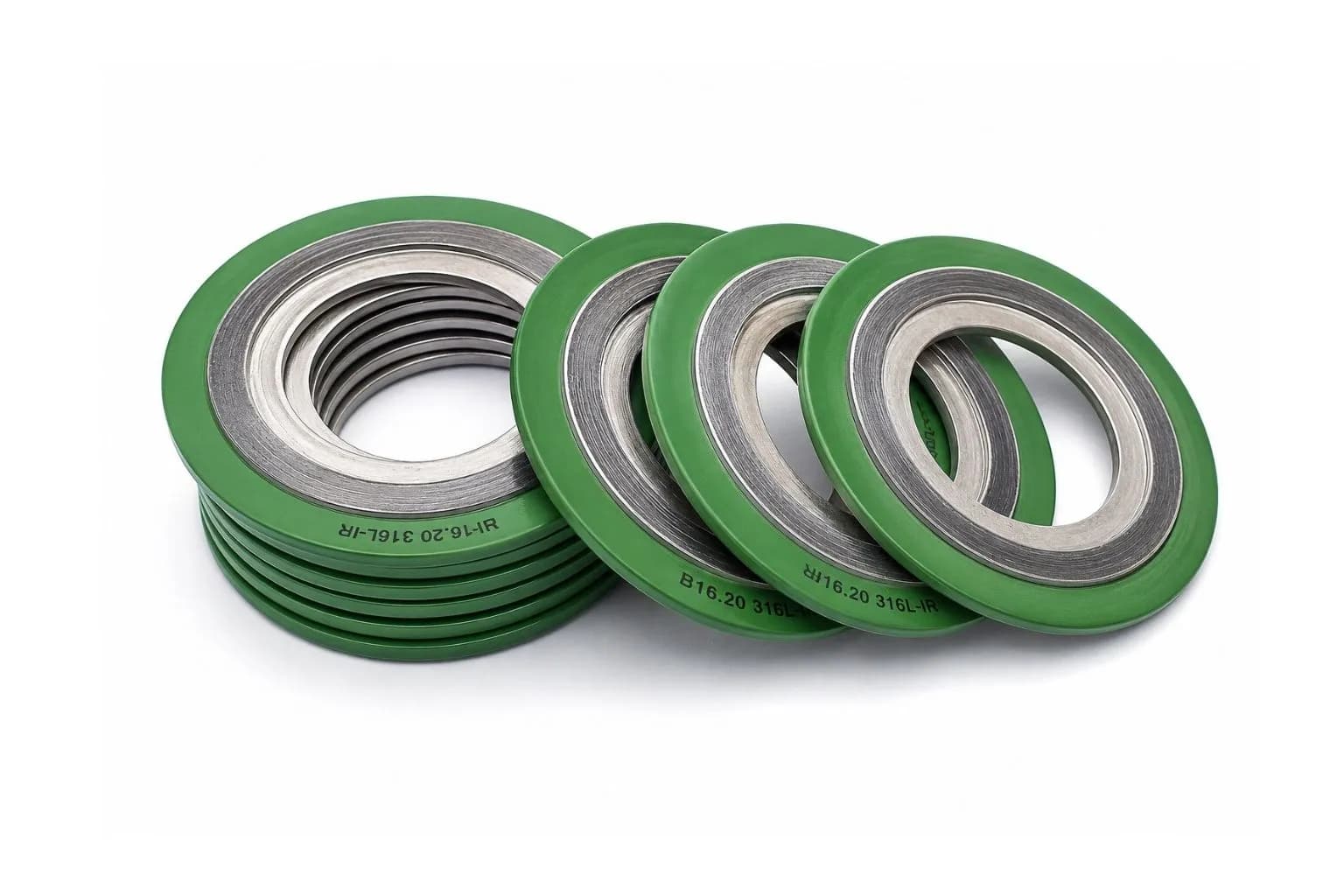
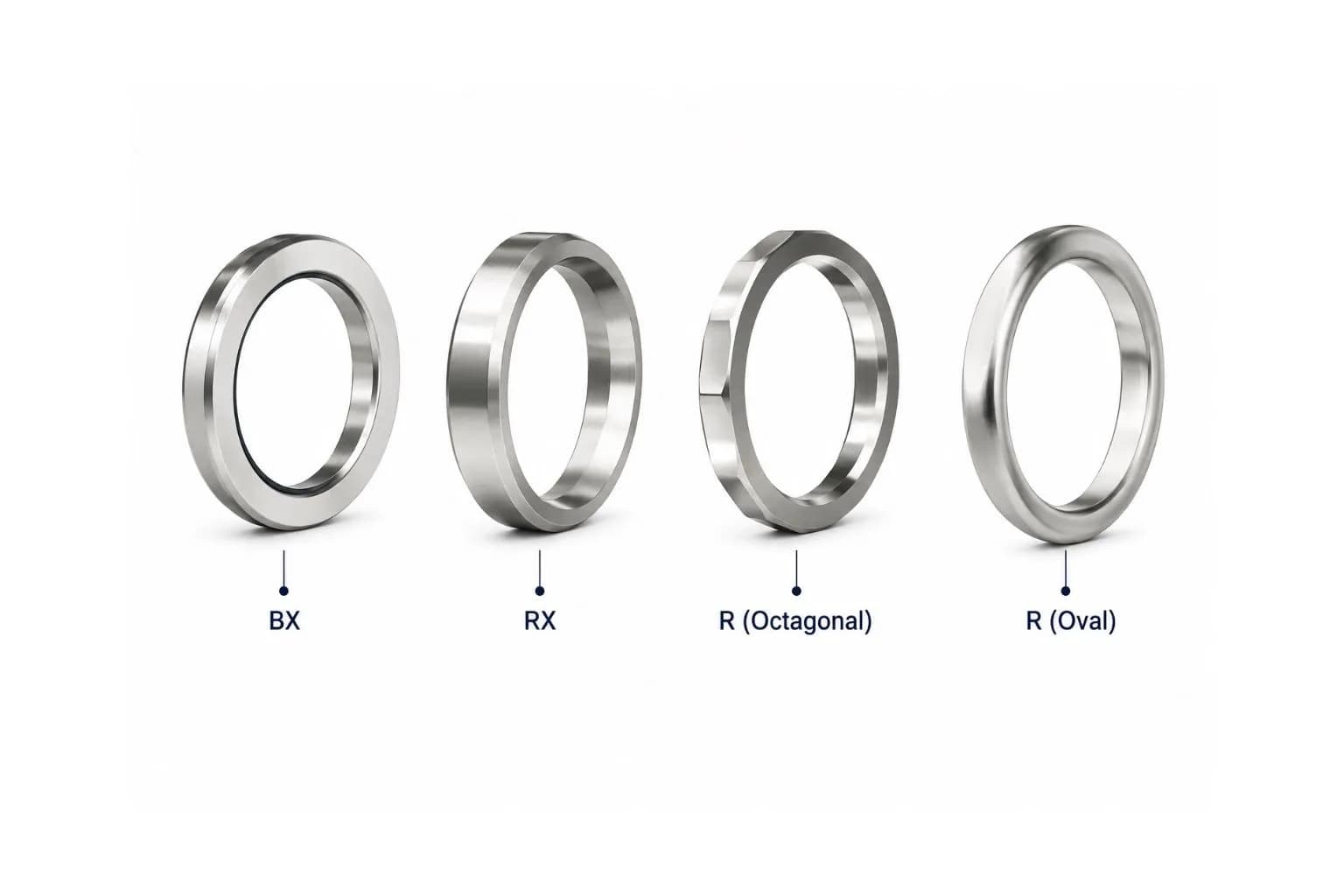
For high-pressure gasket service on RTJ flanges, use a correctly sized Ring Type Joint. For raised-face ASME flanges at elevated pressure, spiral wound or kammprofile constructions are the usual starting points. Soft sheet gaskets are rarely appropriate once pressure and temperature climb.
Heat-resistant gasket options
Heat-resistant gaskets typically rely on flexible graphite fillers, metallic cores, or metal-jacketed constructions. PTFE has excellent chemistry but a lower temperature ceiling. Match the material system to the real maximum temperature, including upset conditions.
Chemical and corrosive service
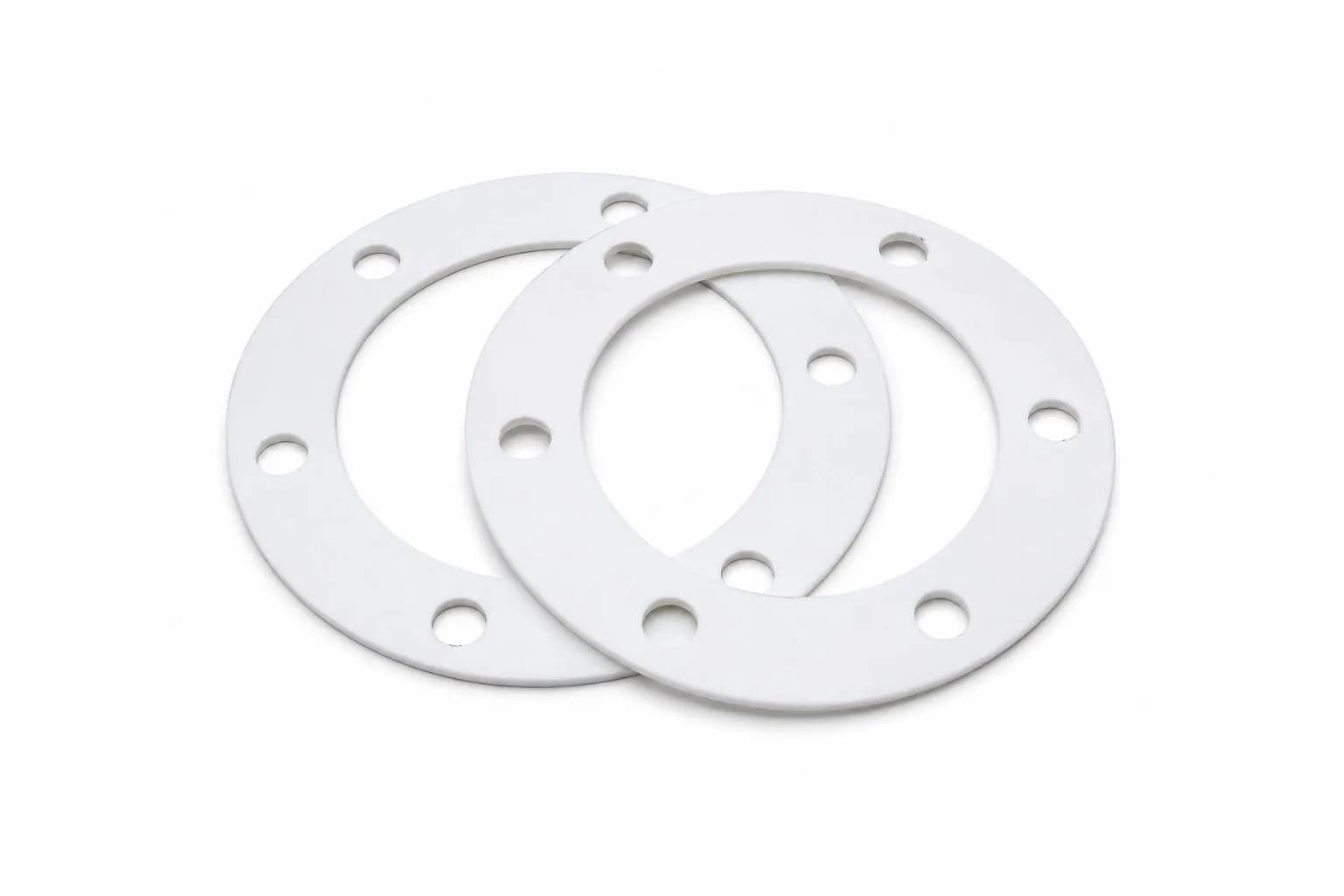
Aggressive acids and solvents usually point to PTFE sheet cut gaskets, PTFE envelope gaskets, or PTFE-filled spiral wound gaskets. Confirm concentration and temperature — chemical resistance charts are a starting point, not a substitute for application review.
Utility and general service — CNAF and EPDM
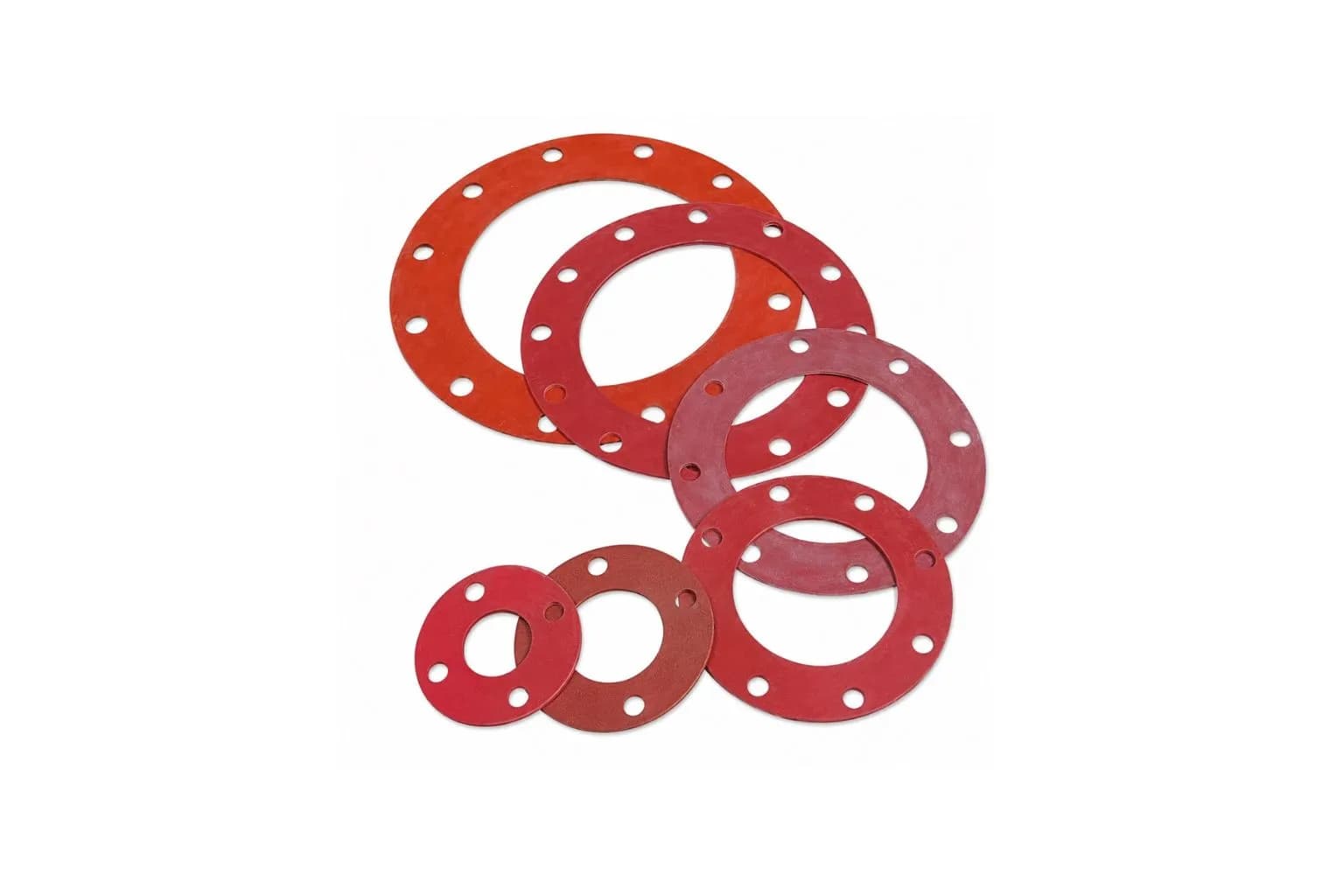
For water, mild steam, and general plant utility flanges, CNAF (compressed non-asbestos fibre) flat cut gaskets and EPDM rubber gaskets are cost-effective and widely available. They are not substitutes for high-pressure or highly corrosive duty.
When you need a customized gasket
Non-standard flanges, obsolete equipment, and OEM geometries often need a customized gasket manufacturer rather than a catalogue part. Share a drawing or sample — Kemicon engineers the material and construction to the service, not the other way around.